

Ang Kiukok stands as one of the most influential Filipino painters of the 20th century, renowned for his dramatic, intense depictions of the human figure and social realities. Born in Davao City in 1931, Kiukok was the son of a Chinese immigrant father and a Filipino mother, a cultural blend that subtly informed his unique artistic sensibilities. His early exposure to art came through formal training at the University of the Philippines School of Fine Arts, where he honed his skills in painting and developed a disciplined approach to form, composition, and expression.
Kiukok’s artistic journey was marked by a constant exploration of tension and emotion. His works are often described as “distorted realism” or “expressive cubism,” where human figures, animals, and objects are exaggerated, fragmented, and infused with emotional intensity. These visual distortions conveyed underlying themes of struggle, violence, and existential angst, making his art both visually arresting and deeply thought-provoking. While some critics initially viewed his style as controversial, it became a hallmark of modern Filipino art.
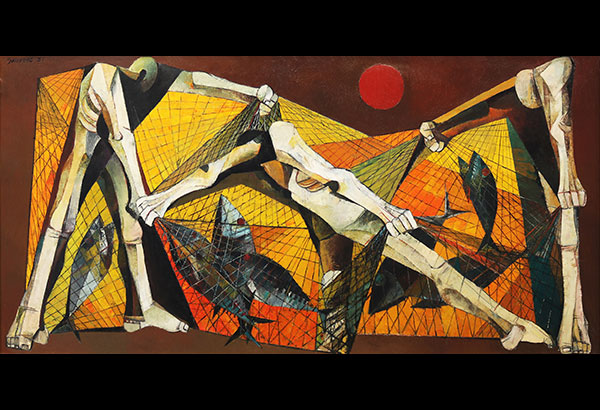
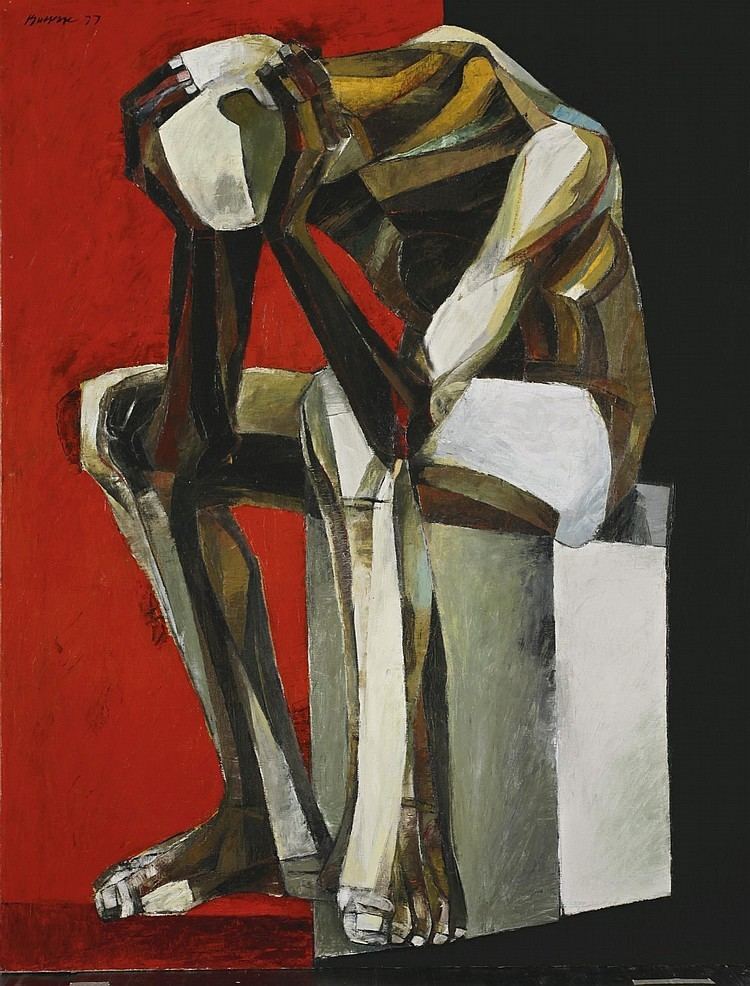
His primary medium was oil on canvas, though he occasionally explored other forms, including drawings and sculptures. Notable works like Fishermen (1963), Seated Man (1965), and The Family (1971) exemplify his mastery of expressive composition and emotional depth. In addition to human figures, Kiukok’s subjects often included animals in dynamic, almost aggressive forms—especially roosters and bulls—symbolizing conflict, vitality, and resilience.
Throughout his career, Ang Kiukok received numerous accolades. He earned recognition both locally and internationally, participating in exhibitions across Asia, Europe, and the United States. In 1990, he was awarded the prestigious Ateneo Art Award for his lifetime contribution to Philippine art, and his works continue to fetch record prices in auctions, reflecting his enduring impact on collectors and art enthusiasts alike.
Beyond awards and exhibitions, Kiukok’s art resonates for its commentary on the human condition. His bold lines, sharp angles, and fragmented forms confront viewers with both the physical and psychological tension of life. He challenged traditional notions of beauty and representation, leaving a legacy of art that is raw, visceral, and unapologetically human.
Highlights
- Full Name & Lifespan: Ang Kiukok (1931–2005)
- Nationality & Base of Work: Filipino, primarily in Manila
- Primary Mediums: Oil on canvas, drawing, occasional sculpture
- Key Art Movements / Styles: Modern Filipino Art, Distorted Realism, Expressive Cubism
- Most Iconic Works: Fishermen, Seated Man, The Family, Fight of the Roosters
- Major Achievements / Recognition: Ateneo Art Award (1990), international exhibitions in Asia, Europe, and the U.S., enduring influence on contemporary Filipino art
- Themes / Significance: Tension, human struggle, emotional intensity, social commentary, dynamic portrayal of the human and animal form
- Fun Fact / Trivia: Kiukok’s art often startled viewers with its raw energy, yet he was known to be a deeply private and contemplative individual.



Short Bio
Ang Kiukok (1931–2005) was a Filipino painter celebrated for his intense and emotionally charged depictions of the human form. Combining elements of distorted realism and expressive cubism, his art explored themes of struggle, conflict, and resilience. Recognized both locally and internationally, Kiukok’s legacy endures as one of the defining voices in modern Filipino art, leaving behind works that continue to captivate, challenge, and inspire.