

Henri Matisse (1869–1954) remains one of the most influential figures in modern art, celebrated for his revolutionary use of color, form, and expressive freedom. Born in Le Cateau-Cambrésis, France, Matisse initially studied law before turning to art, discovering a passion that would define his life. His early works were inspired by the realism of the time, but his artistic vision quickly evolved, embracing the bold experimentation that characterized the early 20th century.
Matisse became a leading figure in Fauvism, a movement that emphasized painterly qualities and strong, vibrant color over representational accuracy. Alongside contemporaries like André Derain, he pushed the boundaries of traditional composition, creating works that radiated energy and emotional intensity. His paintings often featured simplified forms, expressive lines, and daring color combinations, turning even mundane subjects into visual celebrations of life.
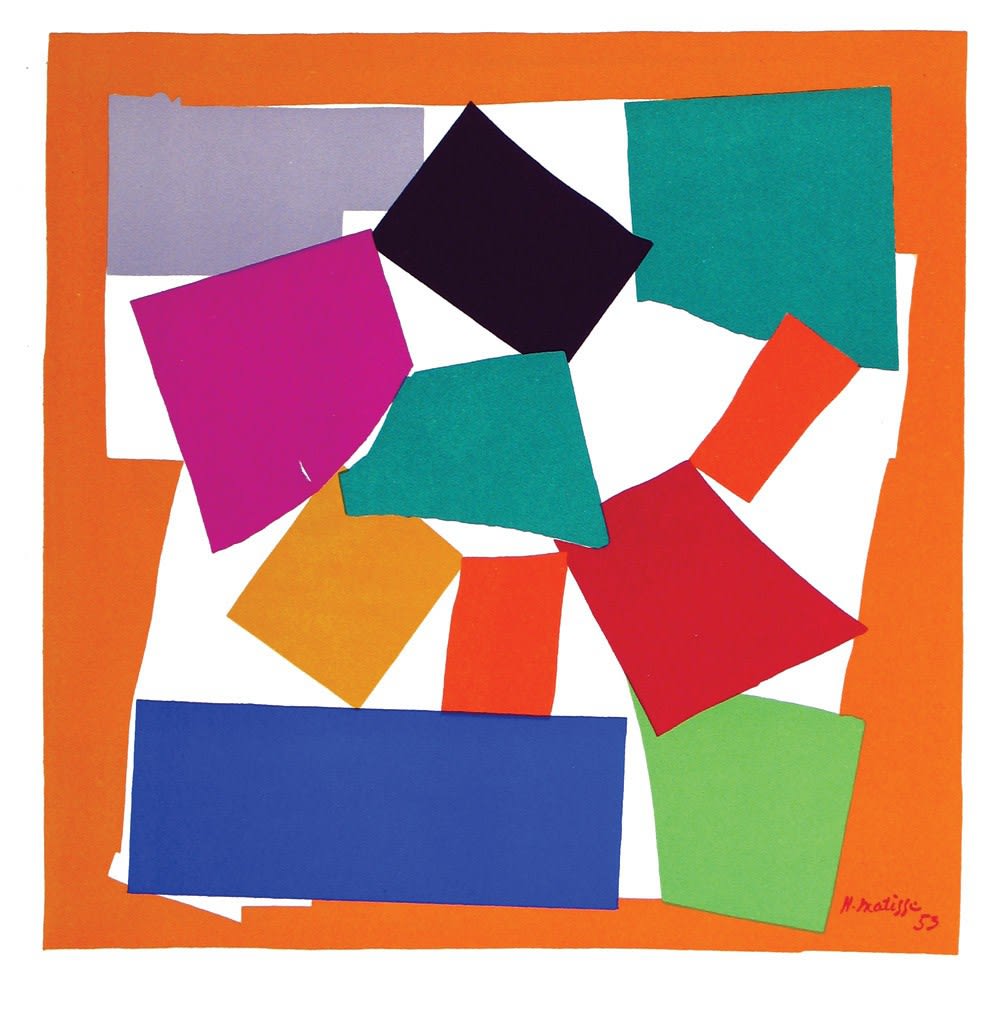
Throughout his career, Matisse explored a wide range of mediums. Beyond painting, he created drawings, sculpture, printmaking, and, later in life, his famous paper cut-outs, known as gouaches découpées, which he considered some of his most important work. Notable masterpieces such as Woman with a Hat (1905), The Dance (1910), and The Snail (1953) showcase his evolution from Fauvist intensity to serene abstraction and joyous harmony.
Matisse’s impact on art extends beyond his own works. His exploration of color and form influenced generations of modern artists, shaping movements from Abstract Expressionism to contemporary design. His approach encouraged artists to prioritize emotional expression and the visual impact of color, proving that art could be both intellectually profound and viscerally joyful.
Matisse’s life was marked by a relentless pursuit of creativity, even in the face of illness later in life. Confined to a wheelchair in his final years, he continued to innovate, transforming painted paper into vibrant compositions that retained the same vitality and playfulness as his earlier canvases. Through his art, Henri Matisse demonstrated that color and creativity are powerful tools of personal expression, offering freedom, joy, and inspiration to all who encounter them.
Highlights
Full Name & Lifespan
Henri Émile Benoît Matisse (1869–1954)
Nationality & Base of Work
French; primarily worked in France
Primary Mediums
Oil painting, drawing, sculpture, printmaking, paper cut-outs
Key Art Movements / Styles
Fauvism, Modernism, Expressionism, Abstract Art
Most Iconic Works
Woman with a Hat (1905)
The Dance (1910)
The Snail (1953)
Blue Nude (1907)
Major Achievements / Recognition
Leading figure of Fauvism
Revolutionized color usage in modern art
Influenced generations of 20th-century artists
Themes / Significance
Joy, freedom, emotional expression, harmony of color, decorative beauty
Fun Fact / Trivia
Matisse considered his later paper cut-outs more significant than his paintings, calling them “drawing with scissors.”


Short Bio
Henri Matisse was a pioneering French artist whose bold use of color and innovative techniques transformed modern art. From Fauvist paintings to iconic paper cut-outs, his work celebrated joy, freedom, and expressive creativity. Matisse’s legacy endures as a testament to the power of color and form to evoke emotion and inspire generations of artists worldwide.