
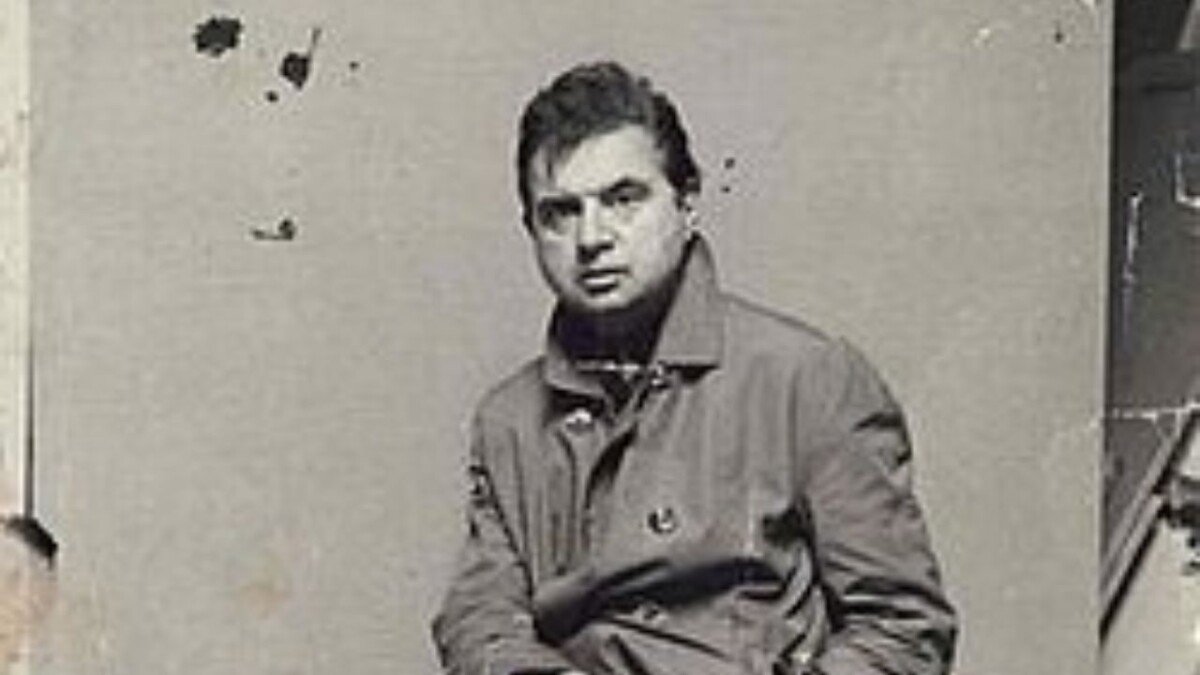
Francis Bacon (1909–1992) stands as one of the most compelling and provocative painters of the 20th century. Known for his raw, visceral approach to the human figure, Bacon’s art confronts the fragility, anguish, and existential tension of life. Born in Dublin, Ireland, and later based in London, Bacon’s personal experiences—marked by instability, emotional turbulence, and a fascination with mortality—deeply influenced his artistic vision.
Bacon’s journey as an artist was unconventional. Largely self-taught, he experimented with different styles and techniques, rejecting traditional notions of beauty. His breakthrough came in the late 1940s with the series of paintings known as the Three Studies for Figures at the Base of a Crucifixion (1944), which shocked audiences with their intense psychological impact and distorted imagery. These works announced a new voice in post-war art, one unafraid to explore the darker aspects of human existence.
Throughout his career, Bacon employed oil on canvas as his primary medium, often combining painterly abstraction with figurative distortion. His subjects frequently feature screaming popes, contorted human figures, and isolated bodies trapped within geometric cages or ambiguous spaces, creating a haunting tension between vulnerability and violence. Influenced by artists such as Diego Velázquez, Pablo Picasso, and Surrealists like Max Ernst, Bacon developed a signature style that fused expressionism with a uniquely modern sense of existential despair.
Bacon’s influence extended beyond his dramatic imagery. His work challenged viewers to confront their own emotions and mortality, bridging a gap between personal trauma and universal experience. Exhibited widely in Europe and the United States, his paintings remain powerful studies of human emotion, continuing to inspire contemporary artists and audiences alike.
Highlights
- Full Name & Lifespan: Francis Bacon (1909–1992)
- Nationality & Base of Work: Irish-born, based in London, UK
- Primary Mediums: Oil on canvas, occasional watercolor and printmaking
- Key Art Movements / Styles: Expressionism, Figurative Art, Existentialism in art
- Most Iconic Works: Three Studies for Figures at the Base of a Crucifixion, Study after Velázquez’s Portrait of Pope Innocent X, Study for a Crucifixion
- Major Achievements / Recognition: Exhibited at Tate Gallery, Venice Biennale, and major galleries worldwide; regarded as one of the foremost figurative painters of the 20th century
- Themes / Significance: Human suffering, mortality, psychological depth, existential angst, distorted perception of reality
- Fun Fact / Trivia: Despite his fame, Bacon lived a largely reclusive life and destroyed much of his early work, leaving a curated legacy of his most impactful pieces.


Short Bio
Francis Bacon was an Irish-born painter whose emotionally charged, distorted images of the human form redefined 20th-century figurative art. Self-taught and fiercely individualistic, he explored themes of suffering, mortality, and existential crisis through raw, impactful imagery. His work continues to resonate for its ability to evoke profound psychological and emotional responses, cementing his legacy as one of the most influential and enigmatic artists of his era.