

Benedicto Reyes Cabrera, widely known as BenCab, stands as one of the most influential figures in Philippine contemporary art. His career spans decades of artistic exploration, marked by an unwavering commitment to identity, social consciousness, and mastery of line. Through drawing, painting, printmaking, and mixed media, BenCab has shaped a visual language that is at once deeply Filipino and globally resonant.
Born in Malabon, Philippines, BenCab showed early promise in art and formally trained at the University of the Philippines College of Fine Arts. In the late 1960s, he moved to London, a decision that would significantly expand his artistic vocabulary. Living abroad exposed him to Western modernism, abstraction, and conceptual art, yet his work never lost its emotional and cultural ties to the Philippines. This tension between homeland and diaspora became a defining force in his practice.
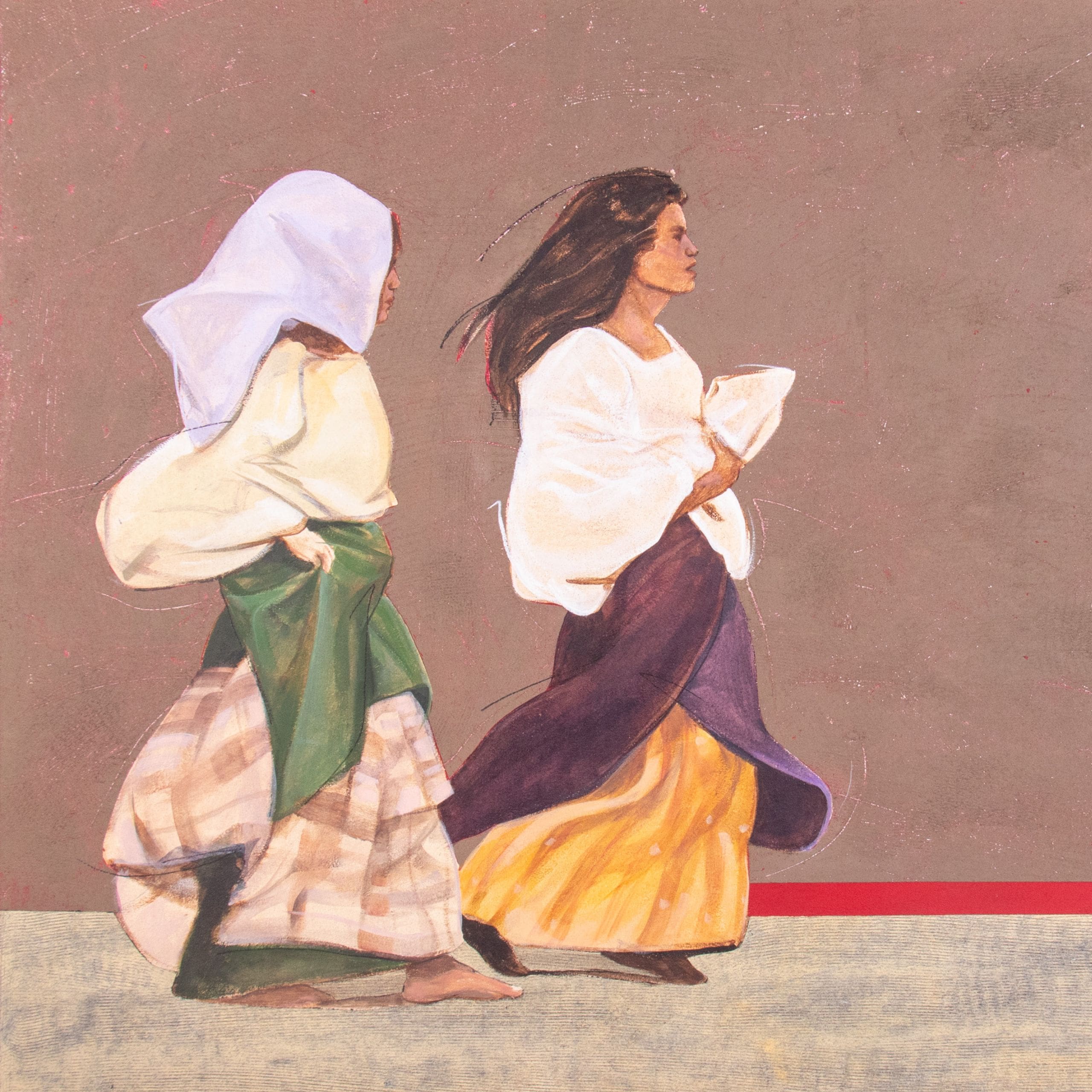
One of BenCab’s most recognizable contributions is the “Sabel” series, inspired by a mentally unstable scavenger woman he often saw roaming the streets. Rendered through sweeping, expressive lines and gestural movement, Sabel evolved into a powerful symbol of marginalization, freedom, and raw humanity. Over time, the figure transcended its literal origins, becoming an archetype of the oppressed and the unconstrained spirit.
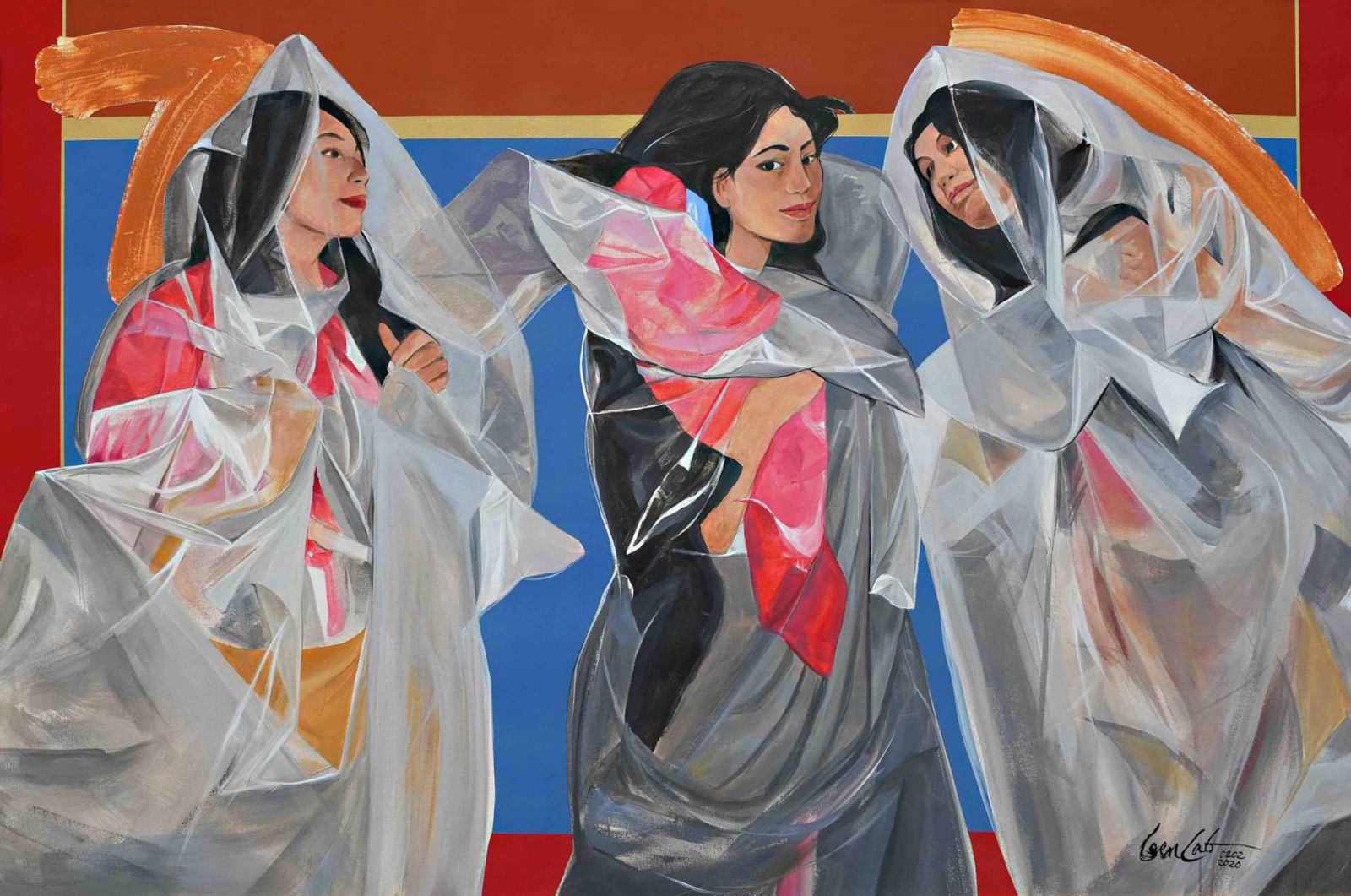
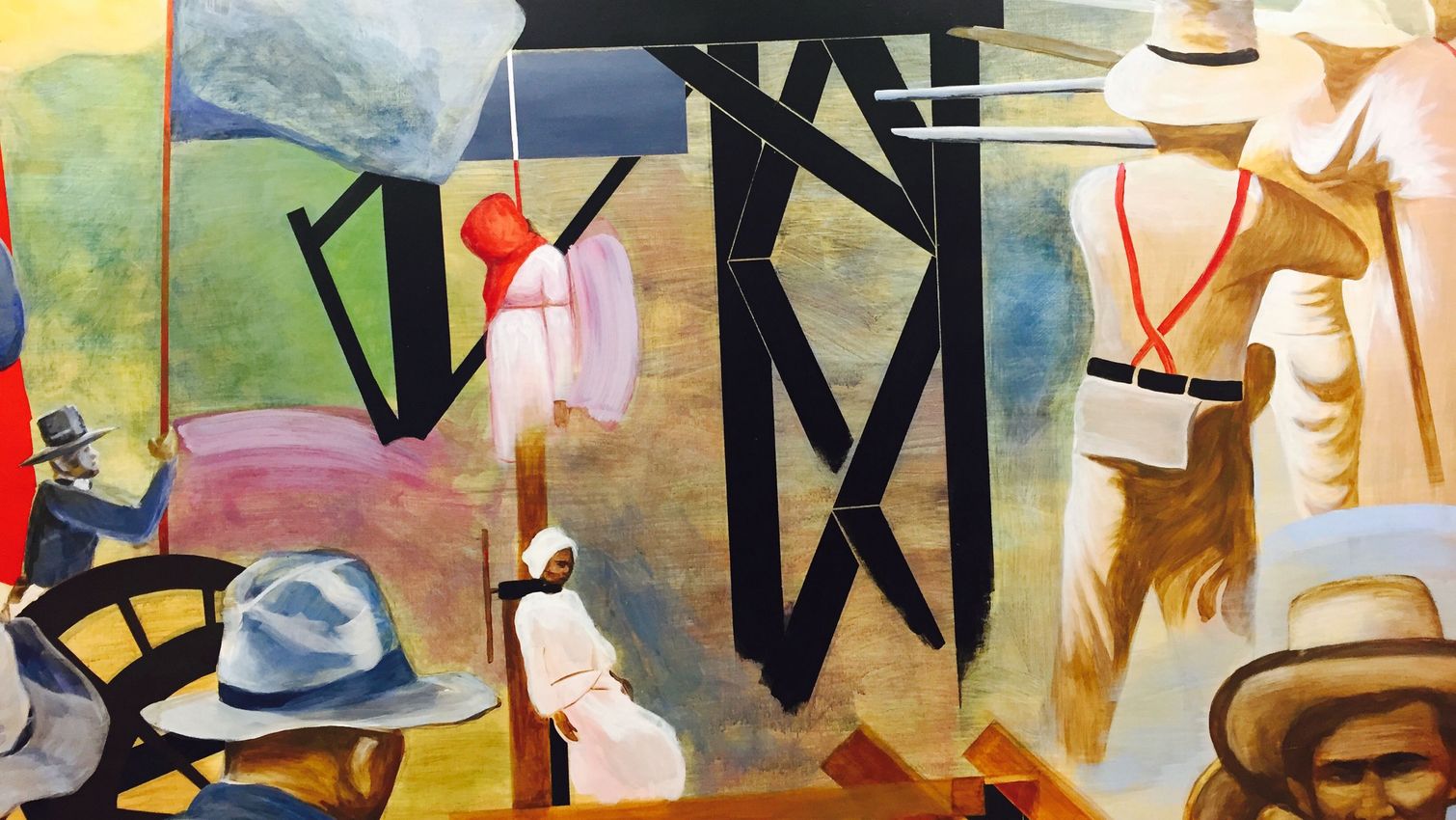
Beyond Sabel, BenCab’s oeuvre encompasses figurative works, abstract explorations, political commentary, and indigenous-inspired pieces. His later works increasingly reflect environmental concerns, indigenous culture, and national identity—particularly after his return to the Philippines and eventual settlement in Baguio. There, he established the BenCab Museum, a landmark institution that houses his works, ethnographic collections, and pieces by other Filipino artists, reinforcing his role not only as an artist but also as a cultural steward.
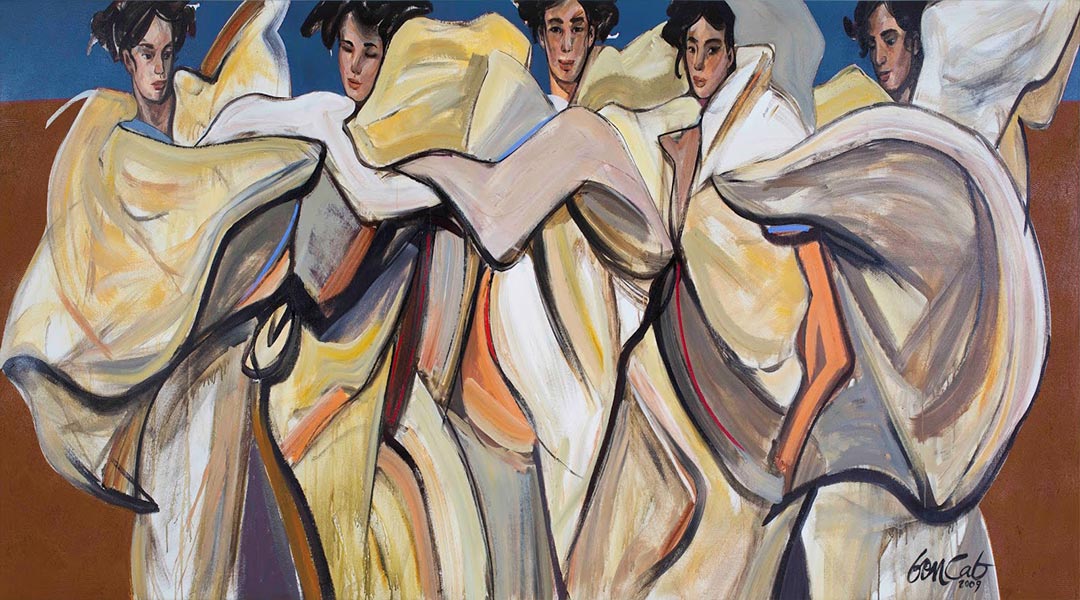
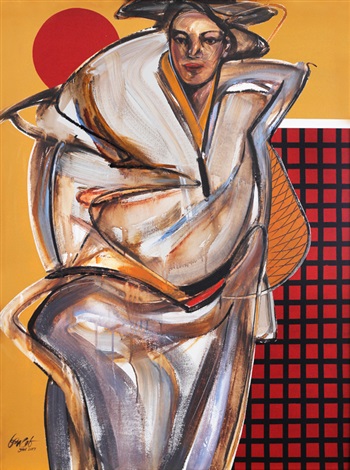
BenCab’s artistic language is anchored in drawing—line is his primary tool for expression. Whether bold and violent or delicate and meditative, his lines convey motion, struggle, and emotion. This mastery has earned him both national and international acclaim, positioning him as a bridge between Philippine modernism and contemporary global art discourse.
Through his art, BenCab invites viewers to confront questions of identity, memory, and social reality. His legacy is not confined to canvas or paper; it lives on through institutions, influence, and a continuing dialogue on what it means to be Filipino in a changing world.
Highlights
- Full Name & Lifespan
Benedicto Reyes Cabrera (1942– ) - Nationality & Base of Work
Filipino; Philippines and United Kingdom (formerly), now based in Baguio City - Primary Mediums
Drawing, painting, printmaking, mixed media - Key Art Movements / Styles
Philippine Contemporary Art, Figurative Expressionism, Modernism - Most Iconic Works
Sabel series, Brown Period works, political and social realist drawings - Major Achievements / Recognition
National Artist of the Philippines for Visual Arts (2006) - Themes / Significance
Identity, marginalization, social justice, Filipino heritage, human condition - Fun Fact / Trivia
He founded the BenCab Museum, one of the most important art destinations in Northern Luzon

Short Bio
Benedicto “BenCab” Cabrera is a National Artist of the Philippines whose expressive mastery of line and form has defined contemporary Filipino visual art. Known for the iconic Sabel series and his socially engaged themes, BenCab’s work bridges local identity and global modernism. Beyond his prolific artistic career, his establishment of the BenCab Museum cements his legacy as both an artist and a cultural advocate for Philippine art and heritage.